

The Weight of Words: How Labels Impact Cat Welfare
by Mary Stevens
We are all guilty of describing a cat as “spicy” or “just plain mean,” but what we often don’t realize is how these negative labels shape not only how we view the cat, but also how others perceive them.
When we use this kind of language, we project our own emotions and assumptions onto the listener rather than describing what we are actually observing or taking the time to explore why the cat may be behaving this way.
Labels in Welfare Settings: Why Words Matter
In animal welfare settings, such as veterinary clinics, shelters, and rescues, labels carry far more weight than we often realize. A few words written on an intake form, kennel card, or online profile can shape every interaction a cat has: from how staff approach them, to whether the public feels comfortable meeting them at all.
Terms like “aggressive,” “unsocial,” or “spicy” may feel descriptive, but they often reflect a person’s emotions towards the cat rather than the cat’s true emotional state. These labels suggest that the cat is mean or not adoptable, when in reality, many cats in shelters are simply responding to stress, unfamiliar environments, and a lack of control.
When we rely on judgment-based labels, we also stop asking important questions.
Is the cat fearful? Overstimulated? In pain? Shutting down? Without information about the environment or situation, we miss the opportunity to understand why the behavior is occurring and how we can support the cat more effectively.
Labels Can Follow Cats
In many welfare settings, labels don’t stay in one moment or one environment. Notes written during intake or early days in a shelter often follow a cat throughout their stay and sometimes into future homes or veterinary records. A cat who was fearful on day one may continue to be treated as “difficult.” When labels are not revisited, they can unintentionally misrepresent a cat even after they have had time to decompress and adjust to the new environment.
Describe the Behavior That Is Observed
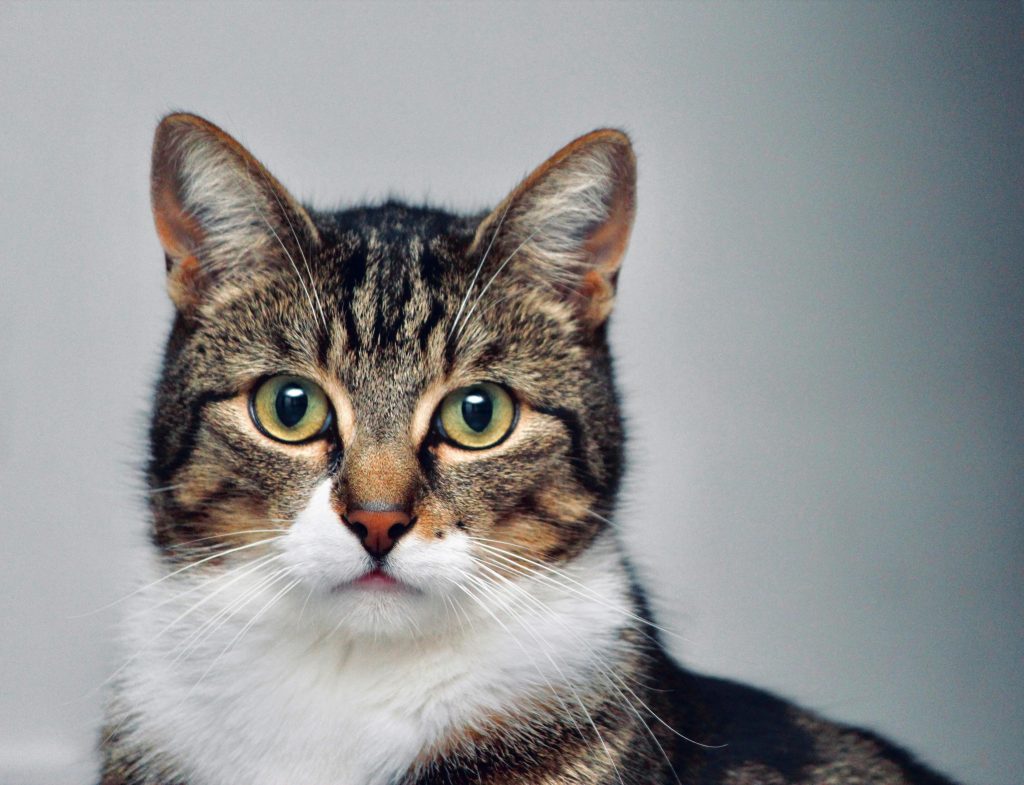
There is a powerful difference between labeling a cat and describing what we observe. Judgment-based language tells us how we feel about a behavior, while descriptive language tells us what is actually happening.
For example:
- “Aggressive” becomes “hisses and swats when hands enter the kennel or carrier.”
- “Doesn’t like people” becomes “retreats when approached but will observe from a distance.”
- “Unapproachable” becomes “shows defensive body language when fearful.”
- “Spicy” becomes “easily overstimulated in stressful situations.”
This type of language gives caretakers, adopters, and veterinary teams useful information without reflecting our emotions.
Try This Next Time
When talking about a cat’s behavior, try pausing before choosing a label and ask yourself a few simple questions:
- What exactly did I see or hear?
- What might have triggered this response?
- How did the environment or handling play a role?
Describing behavior in this way helps everyone involved respond more thoughtfully.
Better Language Leads to Better Outcomes
When we describe behaviors clearly and without judgment, we set cats up for success. Staff and volunteers can adjust their approach, adopters gain realistic expectations, and cats are given space to decompress and show who they truly are once they feel safe.
Most importantly, descriptive language reminds us that behavior is communication.
When we observe instead of label, we create opportunities for understanding, compassion, and positive change for the cats in our care and the people trying to help them.
About the Author

Mary Stevens is a cat behavior consultant with nearly two decades of experience as a veterinary technician. In 2022, Mary received her cat training certificate from Animal Behavior College. Since January 2023, she has been under the mentorship of Laura Cassiday at Pawsitive Vibes Cat Behavior and Training. She has become a Certified Cat Friendly Professional, a certified Fear Free Professional, and has started her own consultations for minor behavioral problems for Pawsitive Vibes Cat Behavior and Training. Mary’s extensive experience in veterinary medicine, combined with her specialized training in feline behavior, brings a unique and valuable perspective to her consultations.
You can find her cat behavior services, Minis With Mary, at www.pawsitivevibescats.com

Barks
Topics
Archives