


How Can We Help Create a Kinder World for Our Pets?
by Debbie Sheridan
To effectively engage thoughtful pet guardians, the Pet Professional Guild’s (PPG’s) Advocacy division hosts a monthly live panel discussion showcasing a number of experts. On January 21, PPG hosted a great talk discussing how we, as pet guardians, can help create a kinder world for our pets.
The panel discussion was hosted by Don Hanson, joined by panelists: Tasha Attwood, Dayle Pierce, Debbie Sheridan, Sam Wike, Kim Silver, Beth Adelman, and Michelle Martiya
The first Advocacy Panel discussion of 2026 is now playing on the PPG podcast where you can watch it/listen at your convenience. Please do! I participated in that free, public, online event and I’d like to share some of the highlights with you here.
Start by Taking a Step Back
First, ask yourself why you would like to share your life with a pet. Think about the type of pet (and possibly breed) and how he or she may fit into your current lifestyle. Will you have time for them? Where is the pet coming from- an ethical and caring rescue? Responsible breeder? Beware of puppy mills that may pass themselves off as being a lovely breeder when the reality is sadly far different.
Also, will you be able to afford this animal’s care and be able to meet their needs? Once you have been honest with yourself about the answers to these questions, prepare your home accordingly.
Have Fun Together
Then, throughout the life of your pet, remember why you chose to share your life with a pet in the first place.
- Find something fun to do together every day.
- Make time to socialize them appropriately. (These outings are likely to benefit you as well!)
- Do a lot of things that THEY like. Fun activities to make our pets’ lives better include games, sniffaris, and activity boxes filled with hidden treats and toys.
Model Kindness
Kindness is a mindset. Consider how the following factors influence how we communicate with, and show up for, pets and people in our lives.
Self-Compassion: Be kind to yourself. Forgive yourself for past behaviors or actions toward your pet that you feel badly about now.
Empathy: Keep in mind that many behaviors that make us uncomfortable can be based in fear, stress or pain your pet is experiencing. Always request a vet visit for a new behavior, as it may be illness or pain related. Animals can be stoic where pain is concerned.
Integrity: Model kindness, especially in front of children, neighbors, and guests. You might inspire someone to treat their own pet better because they see what you do.
Curiosity: Respect who your animals are and try to see the world as they do. Have realistic expectations for your pet’s behavior.

Safety: Help pets feel safe in your presence and in their environment. For instance, any cue you use, do it with a kind tone; don’t bark ”commands.”
Gratitude: Use good manners with your animal. Say, “thank you.” I always thank my own dogs for letting me know when someone walks by the house! It truly makes a difference and helps with their demeanor. They hear the calm in my voice and know that all is well.
Joy: Talk to your pets. Tell them what is going on with happiness in your voice! Sing to them. They love it, even if you are off key!
Know Who You Are Hiring
Even before any of the above though, do your research. It is so important. When you want to bring someone in for pet training and other services, know who you are hiring. Be sure that they are a caring expert in animal behavior, and are concerned about welfare and well-being, or you may get advice that simply doesn’t feel right to you, and isn’t right for your pet.
This diligence is important for all aspects of your pet’s precious life. Know your groomer. Be sure that their techniques are kind. Will they listen to your four-legged love? What about your veterinarian? Are they Fear Free ® and/or certified in Low Stress Handling®? Your dog walker? Sitter? We want folks who recognize that our pets are sentient beings with feelings and emotions.
In summary, our panel talked about how the Golden Rule applies to all species. Be kind and patient. If you are not sure about what to do, ask a compassionate and caring professional.
Sneak Preview
The February Advocacy Panel topic is: “How Can Pet Professionals Help Create a Kinder World for Pets?” Here’s a preview:
If you are a pet professional, please respect the feelings of your human clients and create empathy for why the dog or cat is behaving in a way they dislike. Don’t be afraid to talk about emotions in both the human client and in the pet. Acknowledge that they tried their best and that their questions are welcome.
Advocate for your clients so that they can better advocate for their pets. If they have anxiety over an upcoming vet visit, you can walk them through it, make them a handout or even call the vet on their behalf.
More info: February PPG Advocacy Panel– How Can Professionals Help Make a Kinder World for Pets?
- Date & Time: February 18, 2026 /12:00 pm – 1:00 pm (ET)
- Now playing on the PPG podcast.
About the Author
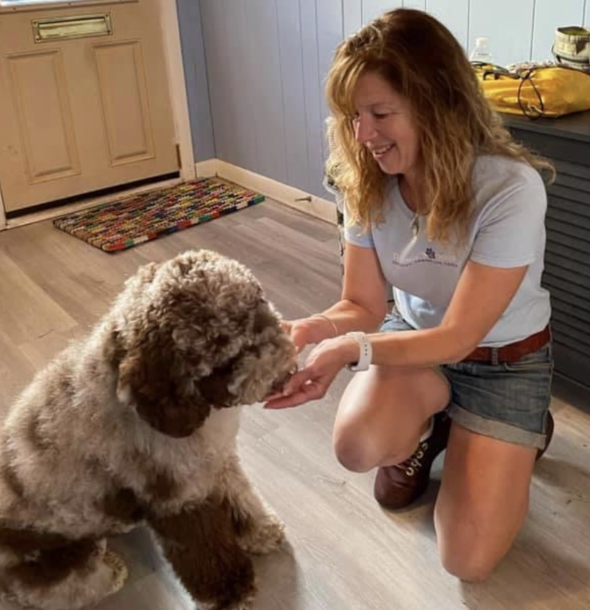
Debbie Sheridan is a proud Pet Professional Guild member, sitting on the Advocacy and Inclusivity committees. She is a certified Dog Bite Prevention Educator, applied animal behavior consultant, an end -of-life doula for companion animals and has completed Michael Shikashio’s Aggression in Dogs Master Course. She works primarily with fearful and anxious dogs who need extra understanding. You can find her at her Debbie’s 4 Dogs website or Facebook Page where she promotes kindness always for the win, helping you, the human, to better understand all issues through the eyes of your dog.

Pets and Their People Blog
Topics
Archives