


Shaping a Sustainable Pet Industry – Part Two: Laying the Legal Bedrock
by Niki Tudge Consensus, Transparency, and Science-Based Oversight In Part One, we unraveled the complex legislative landscape of today—mapping active state bills, dissecting the systemic flaws of grandfathering and working-dog exemptions, and illustrating why rushing into top-down licensing before establishing a firm foundation threatens to codify the very practices we seek to eliminate. Now, in Part Two, we move to examine reform through the lenses mentioned in Part One: This framework will move our industry toward Lens Four – Formal Legislative Oversight and Licensing. The Pet Service Industry Regulatory Vacuum… Continued

Shaping a Sustainable Pet Industry – Part One: Mapping the Legislative Landscape
by Niki Tudge Evaluating Current Legislation, Systemic Loopholes, and the Risks of Premature Oversight The pet industry landscape for legislation and tool use is very complicated, with many differing opinions on the approach needed to help shape the industry’s future around science, kindness, and oversight. When we set out to write our first book, Pet Training and Behavior Consulting: A Model for Raising the Bar to Protect Professionals, Pets, and Their People, several years ago, it began as a simple position statement on dog training oversight. But as we dug… Continued
Nothing Shocking About Being Kind to Animals!
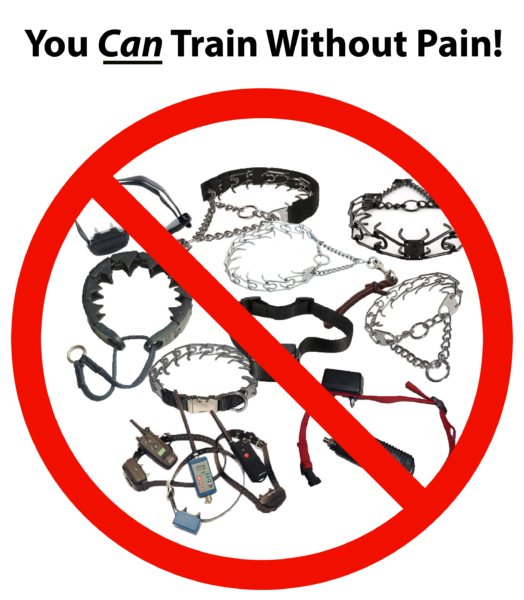
by Niki Tudge When critics argue against the use of electronic shock collars, proponents often claim the tools are perfectly benign if used “correctly,” yet there is actually nothing surprising about the severe risks they pose. In fact, a collective look across the internet at the manufacturers’ own instruction manuals, safety disclosures, and legal guidelines reveals a laundry list of warnings that openly acknowledge the inherent dangers of these devices. Far from being harmless, the consumer guides and behavioral literature consistently highlight that putting a shock collar on a pet… Continued
What’s the Difference Between a Cue and a Command in Dog Training?
by Niki Tudge Modern dog training requires understanding how fear interferes with learning, how pressure accumulates, and how trust is either built or eroded through everyday interactions. And it requires us to communicate with Kindness. Kindness Is Not… Kindness is often misunderstood. It does not mean: Kindness includes management, clarity and support – delivered in ways that protect emotional safety. It reminds me of the difference in philosophical approach between using cues and commands. It’s simply a choice. You can either exert control or you can choose to empower and… Continued

Beyond the Backyard: Why Your Pet Dog Is an Athlete (and How to Prove It)
by Niki Tudge If you’ve ever successfully navigated a crowded park or managed a calm “stay” while the mail carrier arrived, you’ve performed an athletic feat! Dedicated dog guardians know living with a dog in the modern world is a sport. It requires focus, coordination, stamina, and a whole lot of teamwork. Your dog isn’t, “just a pet;” they are a partner in training. Through the Pet Dog Ambassador (PDA) program, the Pet Professional Guild (PPG) recognizes this partnership. Pet Dog Ambassador is a program for pet dog guardians to… Continued

The Pet Dog Ambassador Program: Show Your Clients the Value of Force-Free Dog Training in Everyday Living
by Niki Tudge For trainers and pet professionals, the Pet Dog Ambassador (PDA) program is more than just a curriculum—it’s a way to provide long-term value to your clients while upholding the highest ethical standards. The Professional’s Perspective: A Business-in-a-Box Are you dedicated to training the “real-life” skills that make a dog a joy to live with – walking on a loose leash, greeting people politely, and staying focused amidst life’s distractions? As a professional trainer, you can register for the PDA program and become an Instructor. If you are… Continued
Nonnegotiable Indoor and Outdoor Pet Care Standards for Pet Sitters
by the Pet Professional Guild (PPG) Pet Care Division This resource is a product of the Pet Professional Guild Pet Care Division Team: Kat Frizzell (Chair), CPPS, FFCP, PFACCI, PLBS; Kristi Jones, CPDT-KA, CBCC-KA, CET; and Roxanne Dockter, MSc., CPPS, FFCP, CFVA, PFACCI This checklist outlines a clear set of nonnegotiable standards that all professional pet sitter members of PPG should adhere to when providing services such as boarding, pet sitting, and overnight care. Indoor & Outdoor Pet Care Standards for Pet Sitters Download the Guide Here: About the Pet Professional Guild Pet Care… Continued
Kindness and Cooperation: A Promise to Our Pets
by Niki Tudge The Ethical Case for Kindness: Ten Core Principles 1. Acknowledgment of Sentience: Pets are not tools or accessories; they are sentient beings capable of experiencing a wide range of emotions, including joy, fear, anxiety, and pain. Ethically, we are obligated to recognize their capacity to suffer and we are obligated to actively prevent their suffering. 2. The Power Imbalance: We control every aspect of our pets’ lives: when they eat, where they sleep, and when they can relieve themselves. Because we hold absolute power over their world,… Continued

Why Do We Keep Punishing Our Pets? It’s Not What You Think.
It’s a scenario many pet guardians know well: you walk in the door to find a “surprise” on the carpet, or your dog barks relentlessly at the mail carrier. In the heat of the moment, a sharp “NO!” or a frustrated tug on the leash feels like the natural, immediate response. And for a split second, it works, right? The barking stops for a moment, the dog cringes, and you feel like you’ve communicated your displeasure. However, here’s the deal: While reward-based training is overwhelmingly recommended by vets and animal… Continued
Pet Care Service Non-Negotiables: A Guide for Pet Care Professionals and Their Clients
by the PPG Pet Care Division This resource is a product of the Pet Professional Guild Pet Care Division Team: Kat Frizzell, CPPS, FFCP, PFACCI, PLBS; Kristi Jones, CPDT-KA, CBCC-KA, CET; and Roxanne Dockter, MSc., CPPS, FFCP, CFVA, PFACCI This guide outlines a clear set of non-negotiable standards that all professional pet care members of the Pet Professional Guild should adhere to when providing services such as boarding, pet sitting, daycare, overnight care, pet taxi and dog walking. Overview: The non-negotiables sections are divided into Service Standards and Pet Care Standards. Section One:… Continued
Top Questions to Ask Before Hiring a Professional Pet Sitter: A Checklist for Clients
by the Pet Professional Guild Pet Care Division Team This resource is a product of PPG’s Pet Care Division: Kat Frizzell, CPPS, FFCP, PFACCI, PLBS; Kristi Jones, CPDT-KA, CBCC-KA, CET; and Roxanne Dockter, MSc., CPPS, FFCP, CFVA, PFACCI Pet professionals offering pet sitting services are highly competitive and there will be many service providers in your neighborhood. While they will all advertise and offer a specific service or services, they are not all equal in experience, quality, dependability, education, certifications, honesty and integrity. We recommend, at a minimum, you seek to find the answers to… Continued

Significant Legislation Targeting Dog Training
As of late 2025, the most significant legislation specifically targeting dog training is moving through state houses in the Northeast. There is a clear legislative trend: bills are increasingly attempting to mandate “force-free” or “positive reinforcement” methodologies by law, effectively banning the use of tools like e-collars (shock collars) and prong collars for professional trainers. Here are the three major bills currently pending or moving through state legislatures: 1. New Jersey: The “Dog Training Licensing Act” (S3814) 2. Massachusetts: Dangerous Dog Rehab & “Ollie’s Law” (HB 2342) 3. New York:… Continued
Major Legislation Impacting Pets 2025
The following is a summary of major legislation impacting pets in the United States from December 2024 through December 2025. The legislation is categorized by Federal (nationwide impact) and State (specific state laws with significant precedents). I. Federal Legislation (United States Congress) Note: Much of the federal activity in 2025 involved bills being introduced or moving through committee. Enacted federal laws are rare and typically take longer to finalize. 1. The PURR Act of 2025 (H.R. 597) 2. HELP PETS Act (H.R. 233) 3. Animal Cruelty Enforcement Act of 2025… Continued

Fear-Based Fails: Why Shock Collars Damage Pets and Trust
The Pet Professional Guild actively discourages any training tool that relies on pain, force, or fear. Many veterinarians, animal welfare organizations, and behavior professional associations advise against using shock collars (also known as e-collars or electronic collars) as training tools. These devices, which can cause serious psychological and physical harm to pets, often rely on punishment, fear, and pain to discourage unwanted behaviors. While proponents of shock collars often prefer the terms “electronic collar,” “e-collar,” “remote training collar,” or “static stimulation” to differentiate modern devices from older, harsher models, the… Continued

The Pet Professional Guild’s Ethical Stance
Here at the Pet Professional Guild, we have a strong ethical stance on the behavior and training of both pets and their people. What Are Ethics? Ethics in pet training are a set of principles and standards that guide a trainer’s decisions and actions to ensure the humane, safe, and effective treatment of animals. Ethical training prioritizes the well-being of the animal, fosters a relationship of trust and respect, and uses methods that are scientifically sound and aversive-free. Force-Free and Positive Reinforcement Ethical training is synonymous with force-free and positive-reinforcement methods. These approaches focus… Continued

From Hourly to High-Value: A Strategic Guide to Pricing and Packaging Your Pet Training Services
by Niki Tudge Many pet trainers fall into a common trap: they view themselves as laborers selling their time by the hour. But when you trade time for money, you cap your income and risk burnout. To build a sustainable, profitable business, you must shift your mindset from selling “hours” to selling “results.” This guide covers how to restructure your pricing, protect your income with solid policies, and market your services to attract the right clients. The Psychology of Price: Pricing IS Marketing Before you open a spreadsheet, you must… Continued
The Top Questions a Pet Sitter Should Ask You at the Reservation Point: A Checklist for Clients
This resource is a product of the Pet Professional Guild Pet Care Division Team: Kat Frizzell, CPPS, FFCP, PFACCI, PLBS; Kristi Jones, CPDT-KA, CBCC-KA, CET; and Roxanne Dockter, MSc., CPPS, FFCP, CFVA, PFACCI Having completed an initial inquiry and a successful “Meet & Greet” session with your pet sitter, there are now some crucial questions that need to be answered when you make your reservation and pay your deposit. These are logistical and emergency-preparedness questions to finalize plans and prepare for your actual absence. Download the checklist here: About the PPG Pet Care Division… Continued
The Top Questions a Pet Sitter Should Ask You at the Initial Inquiry: A Checklist for Clients
This resource is a product of the PPG Pet Care Division Team: Kat Frizzell, CPPS, FFCP, PFACCI, PLBS; Kristi Jones, CPDT-KA, CBCC-KA, CET; and Roxanne Dockter, MSc., CPPS, FFCP, CFVA, PFACCI If you are planning to hire a pet sitter, before you plan a meet and greet and before making your reservation, schedule an initial inquiry. Be prepared for the prospective pet care provider to ask the following questions at minimum (there might be more). These questions help the pet sitter understand whether you’re a good match, determine your needs, assess safety, and… Continued
Minimum Core Pet Care Duties Your Pet Sitter Should Provide: A Checklist for Clients
This resource is a product of the PPG Pet Care Division Team: Kat Frizzell, CPPS, FFCP, PFACCI, PLBS; Kristi Jones, CPDT-KA, CBCC-KA, CET; and Roxanne Dockter, MSc., CPPS, FFCP, CFVA, PFACCI The “minimum level of care” provided by a pet sitter typically involves meeting the pet’s basic needs, preserving their routine, and safeguarding their well-being in their familiar home setting. Pet care companies should have these core pet care duties documented, in particular if there are contractors and employees, to ensure a standard level of minimum care, irrespective of who… Continued

Pet Industry Marketing—Create Products and Services Clients Desire
By Niki Tudge Needs, wants, and desires are separate concepts that influence human behavior. Needs are essential for survival, wants enhance the quality of life but are not vital, and desires are intense, often emotionally driven longings. In marketing, desire is a powerful motivator that drives people to purchase a product or service. It’s the human appetite for a specific item or experience, often stimulated by advertising, that creates a sense of wanting. Unlike a basic “need” for survival, desire is more aspirational and connected to a person’s emotions, values,… Continued
A Philosophical Divide: The Dilemma Facing Pets and Their People
A pet owner seeking a trainer is often in a highly emotional and stressful situation, dealing with a challenging behavioral issue. The ethical divide in the pet training industry forces you to make a complex choice between philosophies that may not be clearly defined. Confusion and Mistrust The ethical landscape of the pet professional industry is characterized by a profound and enduring philosophical divide between organizations that advocate for force-free training and those that support a “balanced” approach. The pet professional landscape is not only split by different methods but… Continued
Reward-Based Dog Training: Your Questions Answered!
Thank you for making the decision to invest this time in your pet’s education. At PPG, we consider it an honor that you are trusting us to help guide you on your dog training journey. It is such an important decision- the one you have just made – a decision to invest the time and effort into helping your dog successfully integrate into your life and home. Why Train Your Dog? As data shows us, more pets are surrendered to shelters due to behavioral issues than for any other reason.… Continued

Easy Steps to Train a New Behavior
At DogNostics Education, we follow a simple method for each behavior we teach. This training plan is very effective and fun when used with the Train-Test-Train system! There are four key training steps called: We will refer to them as steps one through four here, describe them, and then provide a short video to review. Step One – Acquisition First, we have to get the behavior so we can reward it. Acquisition is the stage where your dog learns the behavior. There are several methods to get behavior. Use the most… Continued

Pet Training and Behavior Consulting: Knowledge Versus Performance
Knowledge and performance are distinct yet interconnected concepts. Knowledge refers to the understanding and awareness of facts and ideas, while performance is the practical application of that knowledge. Dog training hinges on both knowledge and performance. These concepts are different, but both should be assessed before a professional can become an accredited or licensed dog trainer. Can you imagine other industries certifying or licensing professionals without evidence of both knowledge and performance? Veterinary medicine, surgery, nursing, and most trades require performance competency. How can we overlook the performance factor and… Continued
1 2 3 … 12 Next »

Barks
Topics
Archives