

Creating a Kinder World for Pets: What Professionals Can Do
by Tasha Attwood
In the recent Pet Professional Guild (PPG) Advocacy Panel discussion, moderator Don Hanson brought together Dayle Pearce, Rebekah King, and myself to explore a deceptively simple question:
How can pet professionals help create a kinder world for pets?
It’s a big question. And the answers, as it turns out, are both practical and deeply human.
Are We Expecting Too Much?
The conversation opened with a reflection on a wider cultural shift. Since COVID especially, expectations placed on dogs seem higher than ever. A recent article by Professor Margret Grebowicz suggests that as society becomes more disconnected and stressed, people may be asking dogs to fill emotional gaps that aren’t being met elsewhere.
The panel largely agreed: yes, expectations are often unrealistic.
But here’s the important part — this observation isn’t about criticizing pet guardians.
It’s about gently resetting expectations through education, empathy, and honesty. Our role, as professionals working with pets and their people, isn’t to shame. It’s to guide.
Listening Before Teaching
A theme that came up repeatedly in this panel discussion was this: Kindness starts with listening.
It’s very easy for professionals to go straight into “solution mode.” We hear the problem and immediately begin constructing the training plan in our heads.
But often, what guardians need first is to feel heard.
Many people hiring a trainer or behavior consultant arrive expecting judgement. They apologize for letting the dog on the bed (not a problem!). They brace themselves to be told they’ve done everything wrong. Media messaging and outdated training culture have taught them that professionals will criticize before they connect.
So, sometimes the most powerful thing we can do is say: “Your dog is being a dog.”
Barking, pulling, being overexcited — these are not moral failings. They’re normal behaviors that require understanding, management, and support.
And when people realize they aren’t about to be shamed, something shifts.
Relationship Over Perfection
We also talked about the myth of the “perfect pet.”
What does “perfect” even mean?
Perfect for whom?
Perfect in what context?
Perfect compared to what expectation?
Instead of chasing an idealized, social-media-ready pet, the panel encouraged defining what success actually looks like for that individual family.
Small, achievable goals matter.
When a reactive dog checks in instead of lunging.
When a child learns how to interact calmly with the family pet.
When a guardian enjoys a walk again.
Those tiny wins are not tiny. They’re everything.
And celebrating them builds confidence on both ends of the lead.
The Whole Family Matters
Pets don’t live in isolation — they live in families.
Inconsistent expectations, mixed messaging, and differing tolerance levels can derail progress quickly. Especially in complex cases, everyone needs to be part of the conversation.
Personally, I’m particularly passionate about involving children. Too often, they’re excluded from training sessions despite spending huge amounts of time with the pet. When supported properly, children can become thoughtful, empathetic partners in building safer interactions.
Kindness isn’t just about the pet. It’s about the ecosystem around the pet.
Kindness Includes Ourselves
Another honest part of the discussion was burnout.
Many force-free professionals are tired — not of animals, but of carrying the emotional load that comes with supporting humans through frustration, guilt, grief, and overwhelm.
To create kinder worlds for pets, we have to remain resourced ourselves.
That means:
- boundaries around availability
- peer support instead of competition
- hobbies unrelated to animals
- remembering we are people first, professionals second
Replenishment isn’t indulgent. It’s ethical.
Rescue, Reality, and Transparency
We also touched on rescue ethics — particularly the importance of honestly matching pets and families and ongoing support once the pet is in the home.
Matching the right pet to the right home isn’t about what a guardian should cope with. It’s about what they can cope with right now.
Transparency protects welfare.
Support prevents returns.
And realism builds long-term success.
So, What Creates a Kinder World?
Not perfection.
Not pressure.
Not punishment.
A kinder world for pets is created when professionals:
- Model compassion.
- Listen without judgement.
- Set realistic expectations.
- Celebrate small wins.
- Involve the whole family.
- Protect their own well-being.
- Focus on relationship over control.
Kindness isn’t fluffy.
It’s structured.
It’s intentional.
It’s sometimes uncomfortable.
And it’s always relational.
If we can hold that — for both the pets and the humans in front of us — we’re already doing the work.
About the Author
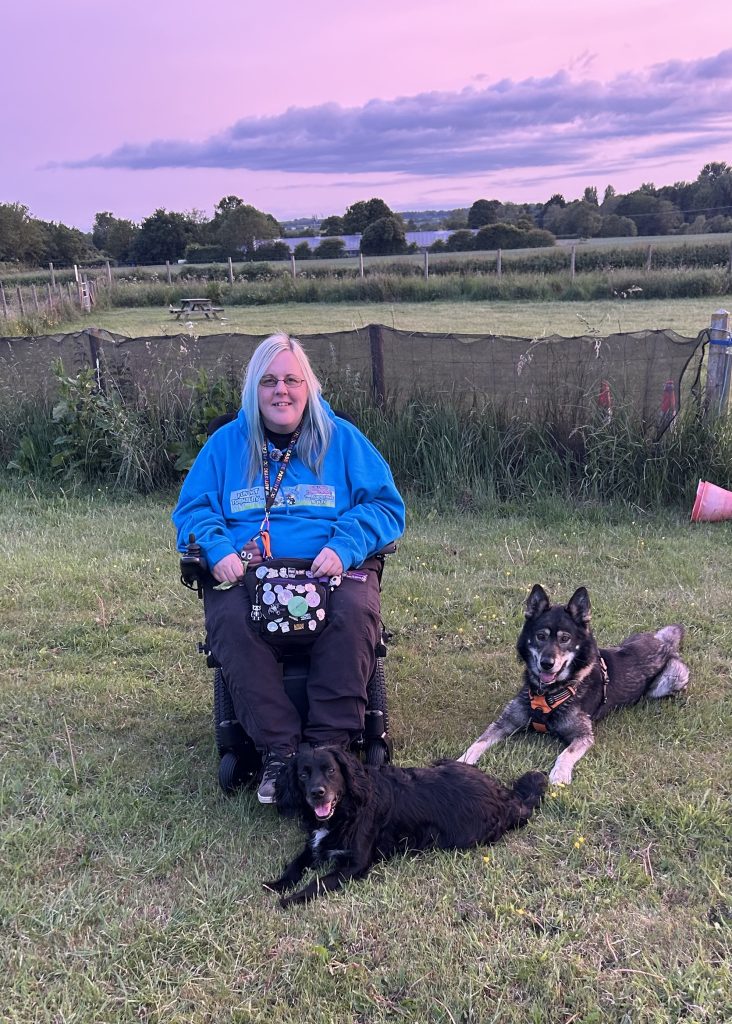
Tasha Attwood is a force-free dog trainer and behaviorist in Lincolnshire, UK. Very passionate about force-free training and methods, Tasha has trained four dogs, a hedgehog, and a rabbit to expert titles with trick titles -and two bearded dragons currently at novice trick title level -to not only enrich their lives but prove that force-free training can be done with any species. As a wheelchair user, Tasha absolutely loves to show training tutorials to demonstrate how dogs can be trained despite limitations.
- Learn more at: http://www.muttsnmischief.com
- Follow on Facebook.
In Case You Missed It…
January 2026 PPG Advocacy Panel: How Can Pet Guardians Help Create a Kinder World for Pets?
February 2026 PPG Advocacy Panel: How Can Professionals Help Make a Kinder World for Pets?
- Listen to the podcast.
Join the Conversation!
March 2026 Advocacy Panel: Guardians and Professionals Working Together to Make a Kinder World for Pets.

Barks
Topics
Archives