


Protecting Your Business
By David Pearsall Unfortunately, most general liability policies contain exclusions for personal property in the insured’s care, custody, or control. And for many types of businesses this would be okay. However, for the professional dog trainer, (or pet sitter, dog walker or boarding facility), it is perhaps the most significant exposure of all. This is because dogs are considered personal property under the law. Without including this coverage under your general liability policy, you simply have no insurance for the dogs in your care. Read article
Calm Vet Visits
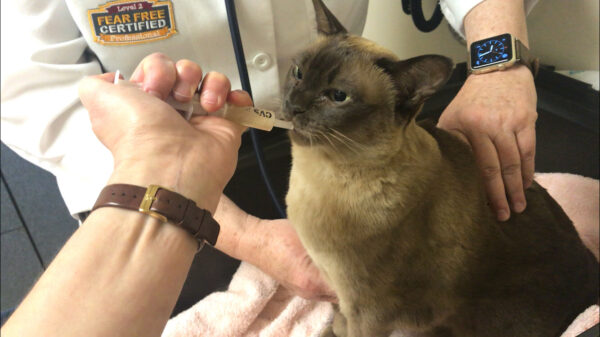
By Victoria Blais For cats, less really is more. This means less noise, less handling, less restraint, fewer loud voices, fewer odors, fewer bright colors, and fewer lights. When I arrive for at the veterinarian’s office for an appointment, I call from the parking lot, so we can directly enter the cat-only exam room. Next, we take five to 10 minutes to acclimate, accompanied by low volume relaxing instrumental music, soft exam surfaces, pheromones, and choices. We have the choice of treats or toys, to explore or to retreat, to… Continued

A Better Dog-Human Understanding
By Susan Nilson We may assume that a free-ranging dog lives unhappily without a human family. In some instances, this may be the case. But we also need to remember that free-ranging dogs have a lot of freedom that dogs living as companions, say pets, do not necessarily have. Free-ranging dogs have the privilege of deciding their daily actions and habits and displaying behaviors according to their personalities. Their sociality, and in some cases sexual conduct, are not, or are just minimally, conditioned by humans. Read article
The Durability of “Dominance”
By Anna Bradley The internet is great because there’s so much knowledge out there, but here’s the caveat – is it always good knowledge? Of course not. Miller (2018) states: “The alpha myth is everywhere. Google “alpha, dog” on the Internet and you get more than 16 million hits. Really. While not all the sites are about dominating your dog, there are literally millions of resources out there – websites, books, blogs, television shows, animal care and training professionals – instructing you to use force and intimidation to overpower your… Continued
Tips for Working with Clients with Mobility Impairments
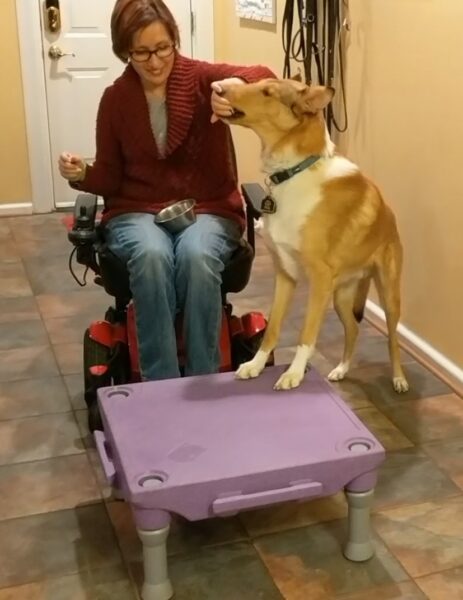
By Veronica Sanchez A large and rambunctious dog can pull an owner off their feet, even if they do not have any physical limitations. However, people who have mobility impairments are at a higher risk. Additionally, the consequences of an injury may be more serious. Fortunately, there are a variety of strategies that can help clients with mobility limitations be successful in training their dogs to walk on a loose leash. Many people may experience a mobility limitation, including people with disabilities, people with temporary health injuries as well as… Continued
Portland Blog Competition: May I Speak to the Manager?
By Tina Ferner Last week, I received a voicemail that a trainer NEVER wants to hear. It went like this, “Tina, this is Eileen. Dolly just killed Miley.” Dolly was a rescued mixed breed dog that weighed approximately 65 pounds while Miley was a Maltese mix that weighed 8 pounds. There had been problems in the past with resource guarding and several “scuffles” between the two dogs. After our initial consultation, Eileen and I had mapped out a management plan. This plan involved leashes, gates, crates and securely closed doors.… Continued
The What, Where and When of Rewards
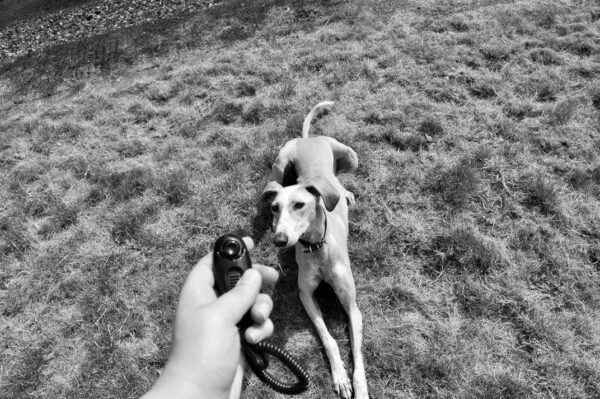
By Lily Mickleburgh The use of rewards in dog training is becoming increasingly popular as an effective way of encouraging desired behaviours. However, subtle differences in what you use as a reward, where and when you reward them, can all change depending on your end goal. This may also vary depending on breed traits, age of the dog and whether you want to build energy or encourage calm in your goal behaviour. WHAT is the motivator? Toys are a great way of building energy and enthusiasm for something like heel work or recall,… Continued

January 28, 2019: New Study Examines Adult Womens’ Sleep Quality, Routines in Relation to Pet Ownership
Scientists have gathered data to investigate whether the presence of a pet in the bed impacts human sleep quality either positively or negatively, and found that “dogs who slept in the owner’s bed were perceived to disturb sleep less and were associated with stronger feelings of comfort and security. Conversely, cats who slept in their owner’s bed were reported to be equally as disruptive as human partners, and were associated with weaker feelings of comfort and security than both human and dog bed partners.” Read study
Getting Started with Touch Cues
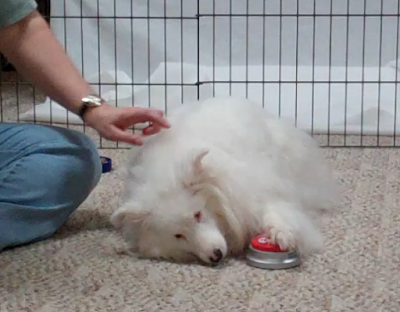
By Debbie Bauer There are two types of touch cues – these are cues that you give to your dog by touching various parts of his body in different ways, to mean different things. If your dog can’t see or hear you cues, touch cues give you the perfect way to begin communicating with him. Having a way to communicate is crucial to living in harmony with your dog. You can tell him what to expect to happen, and how you want him to respond. And your dog will feel… Continued
Want Your Dog to Listen? Stop Doing This!
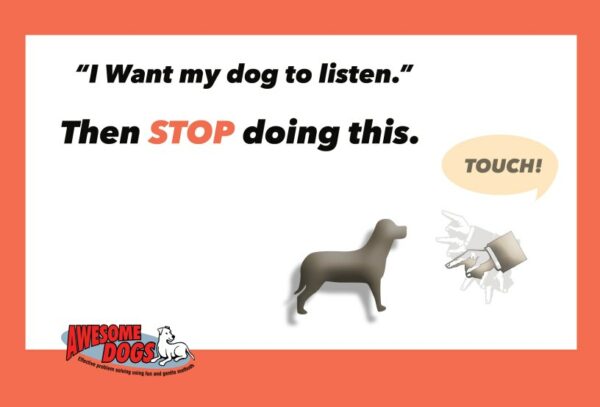
By Yvette Van Veen Dog training often boils down to a single statement. “I want my dog to listen.” It’s a reasonable request and seems simple. We ask our dogs to do something. In return, we want the dog to listen to that request and respond in a timely manner. Training is the process by which we teach our dog to do this. People are often disappointed when they wind up with dogs that only seem to listen some of the time. They are disappointed that their dog only listens if they reach for a… Continued
January 9, 2019: Study Examines Cat-Human Social Behavior
A new study has been conducted to “assess the influence of human attentional state, population, and human familiarity on domestic cat sociability,” and reported that “[h]uman familiarity did not significantly influence pet cat sociability behaviors. Overall, a wide range of sociability scores was seen, indicating individual variation is an important consideration in cat social behavior.” Read study

Is “Maybe” Addictive?
By Louise Stapleton-Frappell In operant conditioning, behavioral responses that are positively reinforced increase in frequency, intensity or duration. The cue is given, the response occurs, reinforcement follows and the loop is repeated. One would perhaps expect dopamine levels to rise upon receipt of the reinforcer. But do they? Some studies have shown that increases in dopamine are not, in fact, directly related to the reinforcer. Rather, it is the anticipation of the reinforcer that causes dopamine levels to spike. Although dopamine signals may well be activated during the consumption of a tasty… Continued

Portland Blog Competition: Redirecting Aggressive Behavior
By Dr. Lynn Bahr As cat lovers, we’ve all been scratched at least once. But why do some cats play so rough when others never scratch or bite? Cats, by their very nature, are ferocious hunters. These behaviors are formed when they are very young by instinct, observation and playing with their littermates. Through stalking, chasing, swatting, biting and pouncing on their siblings, kittens develop their precise hunting skills. But when cats are removed from this environment too young or don’t have an adult cat to keep them in line,… Continued

Variety Is the Spice of Life
By Danette Johnston When I opened a dog day care 19 years ago, I did so because I had been working a shelter and noticed that the majority of the dogs in the shelter were there because they were not getting enough stimulation, both physical and mental. I thought a dog coming to day care five days a week would be swell. “A tired dog is a well behaved dog” right? Well, what I found in reality is that five days a week of day care is actually quite stressful… Continued
December 27, 2018: Danish Study Investigates Effects of Breed Specific Legislation
A newly- published Danish study has found that Breed Specific Legislation (BSL) has a limited effect on overall levels of dog bite injuries and summarizes that: “In order to minimise dog bite injuries in the future, it would seem that other interventions or non-breed-specific legislation should be considered as the primary option.” Read study
Over the Moon!
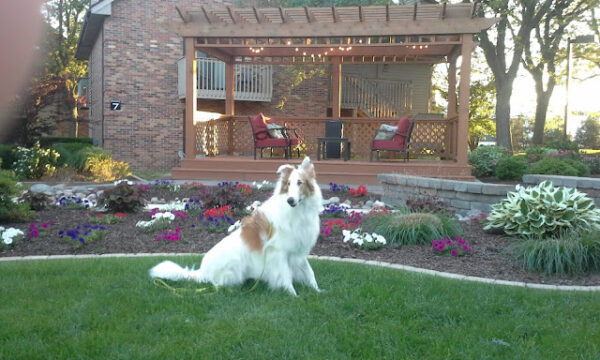
By Debbie Bauer I am over-the-moon proud of my boy Vinny this month! He and I were away from home for three weeks this month, visiting new places, doing new things, and he took it all in stride. We had a blast! It was, of course, so hard to leave the other dogs for that long. Both Vinny and I missed them so much! And this was the first long trip that I did not bring Treasure on since she came to live with me 8 years ago. It was… Continued

The Many Faces of Behavior Myopia: Recognizing the Subtle Signs
By Eileen Anderson and Angelica Steinker The fundamental goal of any behavior modification program should be to improve the dog’s1 and owner’s emotional states, both during and after the process. If emotional, genetic or medical information is omitted from the functional assessment process however, the ensuing behavior modification plan will be incomplete, which not only runs the risk of recommended interventions being inappropriate and misdirected, but may also have disastrous consequences. Unfortunately, behavior myopia such as this is an all too common occurrence in our industry. From a dog’s point of view,… Continued

Walking the Force-Free Path
By Daniel Antolec I recently enjoyed a thought-provoking conversation with a respected colleague on the subject of force-free professional dog training and my former career as a police officer. I think her expectation was that, given my background in law enforcement, I might be inclined to use forceful methods, such as those commonly associated with so-called “dominance theory.”…When I chose to become a dog trainer I discovered the force-free philosophy I now formally embrace. It was a natural transition. I do not use fear, intimidation or inflict pain on dogs… Continued

How to Channel Sales-Related Anxiety
By John Visconti Fears become an issue when they prevent us from doing what we need to do or when we spend an inordinate amount of time and energy engaging in avoidance behaviors. When the anxiety a stimulus produces is so strong that it interferes with quality of life and our ability to function in a productive manner, then it becomes problematic.Often, avoidance behaviors can be very subtle and difficult to detect. Let’s use fear of sales-related rejection as an example. Unlike the response one might see from a person… Continued
Know Better, Do Better
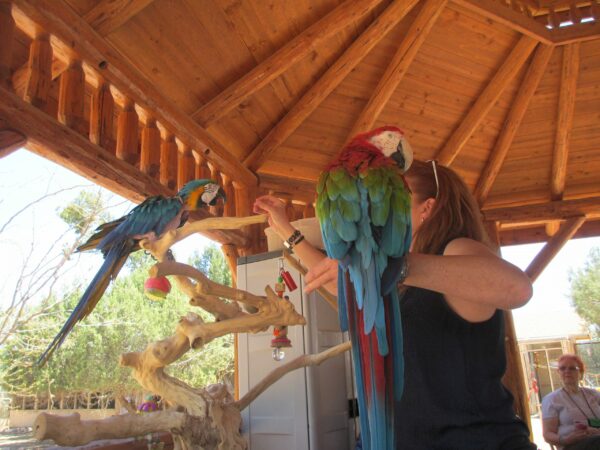
By Lara Joseph Parrots are social creatures, often flocking in hundreds or thousands in the wild. In our homes, however, we usually keep them in separate cages and amongst a mixture of species. I do this as well, and I do it for their safety due to most of them being taken in because they have lost their homes. Keeping them housed separately causes them to rely on us, their caregivers, for attention and physical interaction and this is where the misuse of attention for behaviors such as screaming can… Continued
A Natural Kind of Training
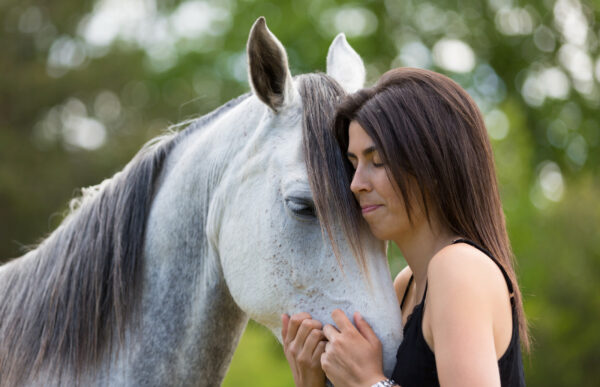
By Max Easey When we use pressure or discomfort to get what we want, then what’s in it for the horse to do things with us? Isn’t she just “behaving” because it is unpleasant for her if she does not? Isn’t it that she acts to avoid things becoming more unpleasant for her if she doesn’t do what we want? The reality is that when someone is only doing something to escape or avoid something unpleasant, they are not likely to be doing it for fun or enjoyment. And that… Continued

Thinking Outside the (Litter) Box
By Marilyn Krieger Litter box avoidance is one of the most common reason cats are surrendered to shelters and euthanized. It is so sad and so unnecessary. Although the problem is hard to live with, it is also one of the easiest to solve. Some of the solutions are simple — others are more involved. Male and female cats of all ages can develop litter box challenges. There is always a legitimate reason for cats to avoid using their litter boxes. They are not bad cats, nor are they misbehaving.… Continued
The Argument against Prong Collars
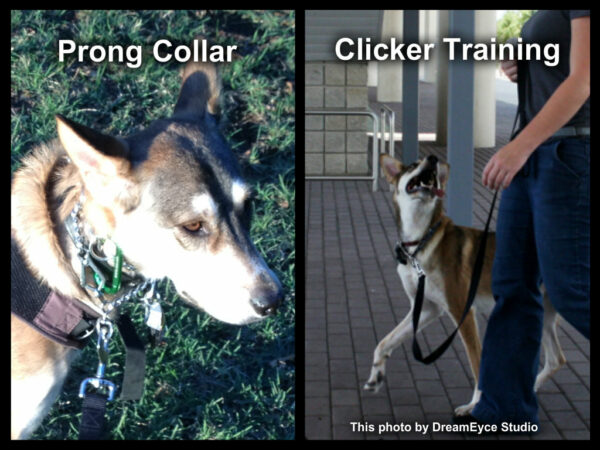
By Diane Garrod A prong collar has a pair of prongs approximately every inch. The prongs are made of wire, approximately 3⁄32 inches in diameter. Still ignoring the drawstring effect – each prong contacts the neck with an area of only about 7⁄1000 inches2. So 20 prongs, 80 pounds, generate about 579 psi at each prong tip, assuming they are blunt, not pointed. If the prongs are located over the larynx it is hard to imagine injury (at least bruising) NOT occurring. This pressure will easily collapse any blood vessel… Continued
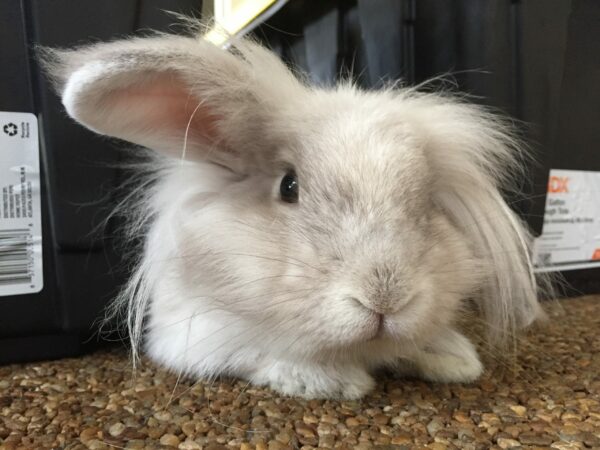
Bunny Myths Busted
By Emily Cassell Rabbits require much more care than has been described [in this article]. Their physical needs are large for their size. Their dietary needs are expensive and labor-intensive. Rabbits are stronger, smarter, and more mischievous than could ever be conceived for their size, and they can be incredibly destructive. They can be ridiculously loud for being largely non-vocal. Rabbits are highly social, and lack of a friend, whether it be another rabbit or a person, can lead to problem behavior and potentially even health problems. Rabbits are small,… Continued
« Previous 1 … 19 20 21 22 23 … 29 Next »

Barks
Topics
Archives