


Learning – From a Dog’s Perspective
I suspect that human beings seldom consider how dogs may learn from us, and I suppose many assume dogs will learn just as we do. But what if dogs have different innate abilities and learning methodologies? Are we working together as a team, or at cross purposes? Do we set dogs up for success, or failure? After all, we are trying to impose a human-oriented world order upon dogs, who evolved for eons according to the rules of nature, not the rules of humankind. I propose that we look at the learning process… Continued

Common Mistakes People Make When Training Their Animals
Have you ever thought, “Why aren’t they getting this?” You are not alone. Many people get stuck while training their animals. Whether it’s with clients or a post on social media asking for help, I see animal caretakers making the same mistakes over and over while training their animals. Professionals like us frequently make them too! In this article, I’ll list mistakes I commonly see and how you can fix them. Mistake #1 –Training without a Plan Are you using a training plan to train your animal? If not, you… Continued
Why is “Balanced” Dog Training Controversial?
The term “balanced dog training” reflects a specific approach within the broader spectrum of dog training methodologies, aiming to strike a balance between reinforcement and correction techniques. However, “balanced” training has been a subject of debate and controversy. Critics argue that the use of aversive techniques can be harmful to a dog’s well-being and damage their trust in their owner or handler. Core Principles of “Balanced” Dog Training Types of Corrections Key Factors Contributing to “Balanced” Dog Training’s Popularity “Balanced” dog training remains in the public eye despite empirical evidence… Continued
Benefits of Force-Free Dog Training
Dog training is essential to pet ownership, shaping your dog’s behavior, enhancing communication, and ensuring their well-being. Training without aversives (force-free) focuses on positive reinforcement and promotes trust, confidence, and consistent behavior without the risk of causing harm or distress to our dogs. Strengthened Trust and Bond Reduced Behavioral Issues Ethical Considerations Trainer Transparency Transparency about training methods often reveals a trainer’s commitment to force-free methods and is critical when hiring a dog trainer for several key reasons: ★Ensuring humane treatment: Knowing the training methods helps ensure that the techniques… Continued
Ask a Trainer: A Friend for a New Feline
Q. I recently acquired a male, neutered cat, who is about 3 years old. He lived indoors all the time, his first two years with a sibling. They were separated when the owner passed away, then fostered. I’m the third owner in a month now. He is a gentle lapsitter, content to be in his room, looking out the window. I am contemplating getting him a companion. What’s your suggestion? Same age or a younger cat? Male or female? Breed? (He is a domestic shorthair, tuxedo.) – Thanks, C. A:… Continued
Ask a Trainer: When Will My Puppy Stop Biting Me?!
Q. Is there a time when I can stop training my puppy? He’s 12 weeks old now. When will he stop biting me? –– via Facebook Messenger A. It’s great that you’re seeking guidance on training your puppy! Puppy Biting At 12 weeks old, your puppy is still in the early stages of development. Puppy biting is a common behavior at this age, as they explore their environments and learn about their surroundings through their mouths. Puppy biting is a natural part of their teething process and social development, but… Continued
Eye Drops for Dogs, the Premack Principle, and Stationing on the Stairs
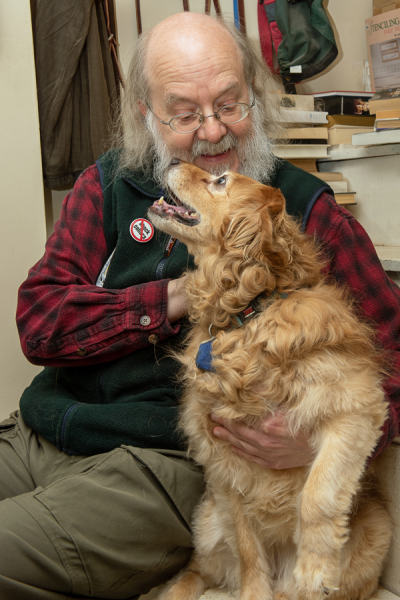
Students often ask me, “When can I stop training my dog.” That’s when I reply, “I never stop training.” By continuing to train, I keep my dog engaged, her life enriched, and my skills sharp. For example, my continued training with Muppy helped me quickly address a new behavioral challenge related to her health. Last spring Muppy was seen by an eye specialist and was prescribed eye drops that she requires every morning. Dr. Blackwood explained that one of the drops might sting and could cause Muppy to be less… Continued
Why Focus on Life Skills vs Obedience in Dog Training?
Life skills training isn’t just a flashy buzzword; it’s the most up-to-date way of training dogs, where we focus on skills for life vs the traditional obedience commands of yesteryear. The life skills approach emphasizes training dogs to be well-behaved and well-adjusted in everyday environments, rather than just focusing on obedience commands in a controlled training setting. Life skills training focuses on teaching skills to dogs that are relevant to their day-to-day lives. It has been so long since dogs were domesticated, and even relatively modern life is very different… Continued

Training Your Equid: The Many Benefits of Protected Contact
What is protected contact? Protected contact means that there is a barrier between you and the animal you are working with or training. This term comes from zookeeping, where zookeepers often work with the animals in their care through the confines of the animal’s enclosure. The barrier keeps both the human and animal safe. How will protected contact benefit me? Protected contact keeps you safe from behaviors that may make you uncomfortable or put you at risk, like your horse bumping into you, pushing you with their nose, or nipping.… Continued
Fallout is Not Good for You…or Your Pet (Part Two)
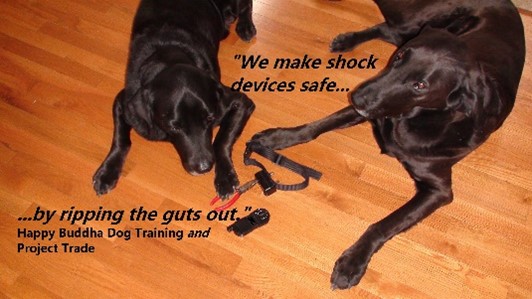
A dog cannot be in a relaxed and restful state while simultaneously in a state of fear. The same is true for humans. You are likely familiar with the survival mechanism often referred to as fight-or-flight. Here’s a brief overview of how that response works: The central nervous system (CNS) consists of the parasympathetic nervous system (PNS) and the sympathetic nervous system (SNS). The PNS is associated with rest and digest processes, while the SNS is associated with fear and anxiety. They work in balance with one another, rather like… Continued

Fallout is Not Good for You…or Your Pet (Part One)
Recently I received an application from a potential client, who I will fictitiously call Jane Doe. Jane reported how she brought a boxer puppy into her life. Her primary concern was that her puppy was excited around new people, jumping on them, and she pulled on the leash. Jane took her pup to a group class, but her puppy was usually put behind a fence and got little help from the trainer. Excitability, jumping on people and pulling on leash sounded like typical puppy behavior and I thought, “Oh good,… Continued

Puppy Not Listening to You? Here’s Why and What to Do!
“I love it when my pet doesn’t listen to me,” said no one ever. So what happens when your calls fall on deaf ears (when your dog isn’t actually deaf)? What else might be going on if you feel your puppy isn’t listening or responding to you? There are many reasons why your pet is failing to respond to you. We’re going to get into it here, and help you with tried and tested strategies that will help your pet listen to you. Why is My Puppy Not Listening… Continued
Ask a Trainer: Help for a Dog Who Growls at Strangers
Q. My newly adopted 2-year-old female golden retriever is lovely with my husband and I, but growls (and has once snapped) at strange men. I realize she was probably abused by some man in the past. How do I help her get over this problem? – via Facebook Messenger A. I would ask a few questions if you were to come to me as a client with this situation. First, how long have you had her? Dogs in a new environment need time to decompress before meeting people. Were the men… Continued

Animal Training Foundations for Future Success
I’m very much into practical training and tend to focus on building behaviors that make managing and handling animals easier. Practical Training Foundations The benefit of this approach is that most of the behaviors I focus on build a foundation for the more advanced behaviors that people ultimately want. Teaching your horse to line up at the mounting block is great, but not if your horse is throwing his head up when you try to halter him in the stall, or is cutting you off when you’re trying to walk… Continued
Ask A Trainer: Help! My Dog’s Barking is Getting Worse
Q. My 3-year-old whippet barks as soon as someone arrives next door, especially with a dog. This has gotten worse and I am at a loss to know how to stop him. – via Facebook A. Thank you for your question. We need to try and work out why your dog is barking. For example, is your dog barking because he is defending the house? Or is he worried? Or excited by people and/or other dogs? When someone arrives next door, is your dog’s barking triggered by him seeing… Continued
House Training 101: Tips and Tricks for a Mess-Free Home with Your New Puppy
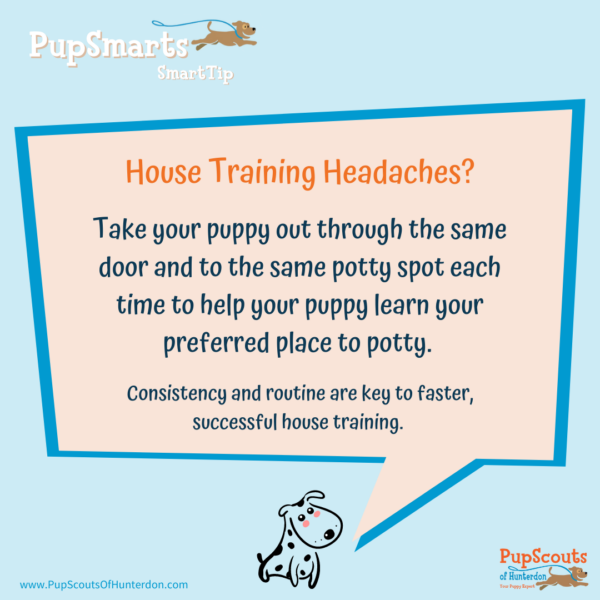
You brought home your new puppy and quickly discovered they are a peeing and pooping machine. House training a puppy can seem like a daunting task. It can feel frustrating at times. I mean, who wants to clean pee and poop? No one! But I’m here to tell you that it’s totally doable—and in less time than you might think. By following my tips and tricks, you’ll have your puppy house trained in no time flat. Let’s address one important thing before we get started… you ARE going to miss… Continued
Shock-Free Snake Safety
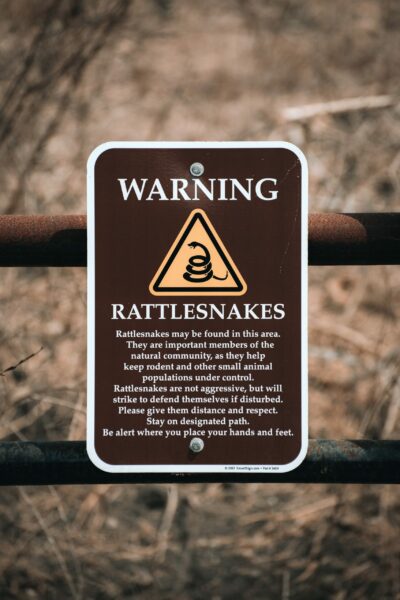
Warm weather might bring on thoughts of outdoor adventures with our dogs. However, something that may not be enticing for outdoor adventures is that venomous snakes share our outdoor spaces! If you live in an area with venomous snakes, a snake safety protocol for your dog is critical. What should be in a snake safety protocol for your dog? PET: Prepare. Educate. Train. Prepare for Peak Snake Season Keep your dog on a leash on hiking trails and other habitat areas for snakes or avoid these areas altogether during peak… Continued

Dear Bruno…I Wish You Would Not Bark at the Deer
Do you live with a dog who enters “barking frenzy” mode when a critter appears? Perhaps it is a squirrel, a rabbit, another dog, or even the mail delivery person. Maybe your dog even perches by the window waiting for things to come into view so he can bark and “make” them go away. When my wife and I still had Buddha and Gandhi in our lives we spent most of our free time on the porch, enjoying the wildlife that came to our feeding stations. Sometimes they came much… Continued
Dog Training Tip: Build Trust by Creating a Reinforcement History
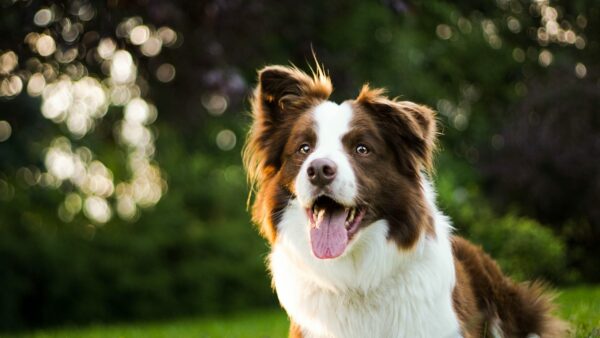
We need our pets to trust us so that they will follow our cues and guidance, especially when they are feeling unsure about a situation. We can’t always predict when a sticky situation will occur and when it does, we want our dogs to know we’ve got their backs – to keep them safe, or to get them out of there. Earning and maintaining an animal’s trust goes hand in hand with creating a reinforcement history during training. Building a Relationship Based on Positive Interactions Ideally, we start creating… Continued

What is a “Positive” Dog Trainer?
Let’s say you want to find a great trainer for your dog and so you do a web search. The search results in several web links and you check them out, seeking the best result for your beloved pet. What might you find? Lack of Industry Regulation and Oversight First, understand that among about 50,000 dog “trainers” in the United States, there is no standard, regulation or oversight. Any single person who wishes to call themselves a “dog trainer” is…voila, a “dog trainer.” There is no need for qualification or… Continued

Understanding Horse Training Videos
There are tons of horse training videos all over YouTube, TikTok, Instagram, and other social media platforms. It can be very challenging to determine which videos are worth following and maybe practicing with your horse, and which ones should be avoided. I often receive videos from students asking if what the trainer in the video is saying is correct because it sounds like it might be but they have doubts. Or someone posts a video in a Facebook group asking how the horse was trained because the horse “looks” happy… Continued

Is Walking the Dog a Dreaded Chore?
One of the biggest complaints I hear as a trainer is that dogs pull, are reactive toward people, or toward other dogs. Dog Walking Pro Tips I have different ways of addressing all of those things, but can give you one hint before your walk with any dog. Wear them out a little before the walk. I love to take them out to the front yard on leash and sprinkle treats around for them to search for. This gets them in a sniffing mood and it is commonly said that… Continued

Teaching a Fearful Dog Trust and Skills – In That Order
Teaching is a proactive process, rather than a reactive one. The goal is to prevent unwanted behaviors, rather than wait for them to occur and then try to remedy the situation. Helping Maizey When a client asked for help with Maizey, a dog with several fear triggers, I resolved to begin with a proactive plan. Maizey had a history of fear of strangers, fear of trucks, fear of other dogs and excessive arousal upon seeing squirrels. Her behavior responses included barking and lunging which made it stressful for her family… Continued
The Station Cue: Its Many Uses for Equids and How to Train It
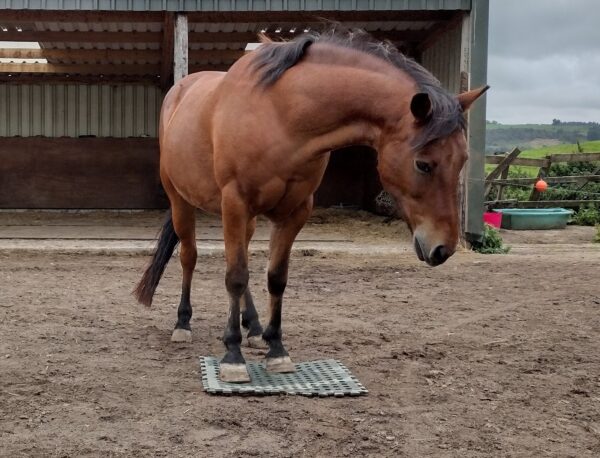
Have you thought about teaching your equid to station? Here’s what stationing is and a few reasons why it’s a great thing to train! What is Stationing? Stationing is where you teach your horse, pony, donkey or mule to stay in a specific place. It can be teaching them to stay at a tie up point, teaching them to “park” when you drop the lead rope or teaching them to stand on a mat without walking off. All it means is that they understand, when you give the cue, that… Continued
« Previous 1 2 3 4 Next »

Pets and Their People Blog
Topics
Archives