


Looking for a Dog Trainer or Behavior Consultant? Here’s What You Need to Know
by Niki Tudge Positive reinforcement (R+) and force-free training are based on the scientific principles of animal learning. They are widely endorsed by leading veterinary and animal behavior organizations. However, there are many common misconceptions and outright myths about this training approach, often perpetuated by proponents of older, more aversive methods. So, before you hire a dog trainer, or any professional who will interact with and care for your pet, here are some questions and answers about R+ and force-free training. Q. Is positive training just bribery? (Will my dog… Continued
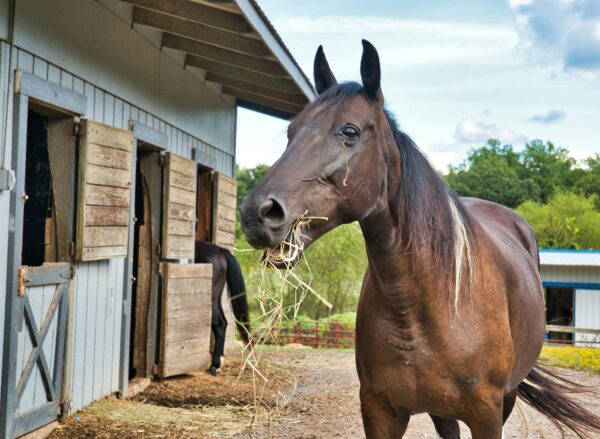
Pushy Equid? Here Are 10 Tips to Keep Positive Reinforcement Training Safe and Fun for Everyone!
by Michelle Martiya We have a growing body of knowledge proving that horses trained utilizing positive reinforcement learn faster, learn more complex skills, and are safer to work with than their counterparts trained using forceful methods. So, how do we prevent undesirable behaviors when training horses (and other equids) with food? Set yourself and your learner up for success by checking each of the items on the list below. Pushy Equid Checklist By giving voice to equids—and the people who work with them—we open a door to the complex, rich… Continued
What’s the Difference Between a Cue and a Command in Dog Training?
by Niki Tudge Modern dog training requires understanding how fear interferes with learning, how pressure accumulates, and how trust is either built or eroded through everyday interactions. And it requires us to communicate with Kindness. Kindness Is Not… Kindness is often misunderstood. It does not mean: Kindness includes management, clarity and support – delivered in ways that protect emotional safety. It reminds me of the difference in philosophical approach between using cues and commands. It’s simply a choice. You can either exert control or you can choose to empower and… Continued

Beyond the Backyard: Why Your Pet Dog Is an Athlete (and How to Prove It)
by Niki Tudge If you’ve ever successfully navigated a crowded park or managed a calm “stay” while the mail carrier arrived, you’ve performed an athletic feat! Dedicated dog guardians know living with a dog in the modern world is a sport. It requires focus, coordination, stamina, and a whole lot of teamwork. Your dog isn’t, “just a pet;” they are a partner in training. Through the Pet Dog Ambassador (PDA) program, the Pet Professional Guild (PPG) recognizes this partnership. Pet Dog Ambassador is a program for pet dog guardians to… Continued
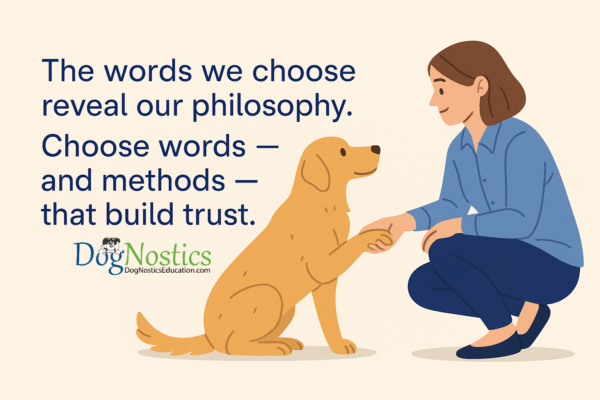
How We Talk About Dogs: What Does Our Language Reveal?
by Louise Stapleton-Frappell Language shapes how we think, how we teach, and how we relate to the world — and that includes our dogs. This isn’t “just semantics.” The way we talk about dogs reflects the ethics, empathy, and science behind how we teach them skills to live successfully in our human world. Commands vs. Cues – More Than Just Words You don’t need to bark “commands” at your dog to train them. You don’t need to be a “pack leader,” issue “orders,” or demand submission. You don’t need to… Continued

Dog Training for the Real World
by Daniel H. Antolec Is your dog prepared to cope with the “real world”? Recently, I saw social media posts from two force-free trainers offering helpful tips. Each post was attacked by Trolls, using identical language, asserting that reward-based training falls apart in the “real world.” Some personal insults were added for acidic tone. It seems common for proponents of aversive methods (choke, prong, shock) to attack force-free (no fear, no force, no pain) practitioners online, and it appears this “real world” text is the meme du jour. However, that… Continued
Here’s Why You Should Care About Cooperative Care for Pets
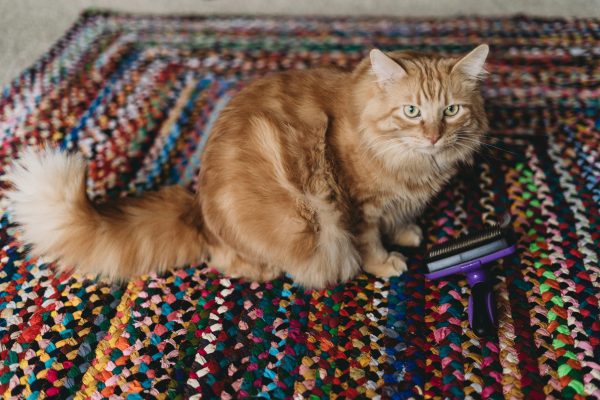
by Misty Hampton Poop happens. Sometimes, it’s messy! My longhaired cat, Linus, sometimes gets feces stuck in his fur. When this happens, he hesitates to groom his rear end. (Who could blame him?!) We needed a way to clean the feces off his bottom, and I wanted to be able to do “sanitary trims” to prevent recurring poopy messes. It needed to be a cooperative procedure because I didn’t want him to be stressed. Historically, Linus tends to respond to restraint with aggression. If stressed and afraid, he’d likely struggle… Continued
Why Every Dog Can Benefit from Muzzle Training – Just in Case
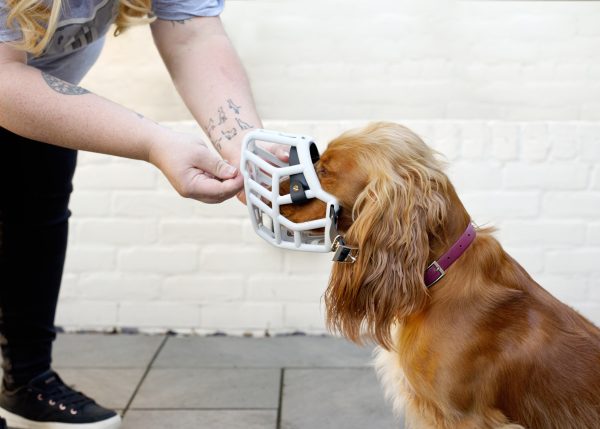
by Annie Dowell-Caffrey When many people think about dog muzzles, they picture a dog who is aggressive or dangerous. But in reality, muzzles are simply a piece of safety equipment and muzzle training can be a helpful life skill for any dog. Another Everyday Life Skill The Just in Case campaign from The Muzzle Movement encourages dog guardians to think about muzzle training in a new way: not as something used in emergencies or behavior crises, but as a form of preparation. Much like teaching a dog to walk on a lead or feel comfortable with… Continued

Why Do We Keep Punishing Our Pets? It’s Not What You Think.
It’s a scenario many pet guardians know well: you walk in the door to find a “surprise” on the carpet, or your dog barks relentlessly at the mail carrier. In the heat of the moment, a sharp “NO!” or a frustrated tug on the leash feels like the natural, immediate response. And for a split second, it works, right? The barking stops for a moment, the dog cringes, and you feel like you’ve communicated your displeasure. However, here’s the deal: While reward-based training is overwhelmingly recommended by vets and animal… Continued

Fear-Based Fails: Why Shock Collars Damage Pets and Trust
The Pet Professional Guild actively discourages any training tool that relies on pain, force, or fear. Many veterinarians, animal welfare organizations, and behavior professional associations advise against using shock collars (also known as e-collars or electronic collars) as training tools. These devices, which can cause serious psychological and physical harm to pets, often rely on punishment, fear, and pain to discourage unwanted behaviors. While proponents of shock collars often prefer the terms “electronic collar,” “e-collar,” “remote training collar,” or “static stimulation” to differentiate modern devices from older, harsher models, the… Continued

The Pet Professional Guild’s Ethical Stance
Here at the Pet Professional Guild, we have a strong ethical stance on the behavior and training of both pets and their people. What Are Ethics? Ethics in pet training are a set of principles and standards that guide a trainer’s decisions and actions to ensure the humane, safe, and effective treatment of animals. Ethical training prioritizes the well-being of the animal, fosters a relationship of trust and respect, and uses methods that are scientifically sound and aversive-free. Force-Free and Positive Reinforcement Ethical training is synonymous with force-free and positive-reinforcement methods. These approaches focus… Continued

Not All Dogs Make Good Butlers…Management and Training Can Help
Many of my clients have concerns about how their dogs greet visitors at their home. This article addresses what to do if you have a dog who is not a good butler. There are 80-90 million dogs living in the USA, and I suspect many are allowed to freely engage with visitors at the front door. That engagement may be with an open mouth barely containing a tongue, a wiggly wagging tail, perhaps with a favorite toy in the dog’s mouth. My dog, Bruno, meets every visitor that way. First, an excited bark,… Continued

A Philosophical Divide: The Dilemma Facing Pets and Their People
A pet owner seeking a trainer is often in a highly emotional and stressful situation, dealing with a challenging behavioral issue. The ethical divide in the pet training industry forces you to make a complex choice between philosophies that may not be clearly defined. Confusion and Mistrust The ethical landscape of the pet professional industry is characterized by a profound and enduring philosophical divide between organizations that advocate for force-free training and those that support a “balanced” approach. The pet professional landscape is not only split by different methods but… Continued
Dog Training Game Changer: Avoid This Common Mistake!
One of the most common training mistakes I see—by both new trainers and well-meaning pet guardians—is using a cue word or gesture too early. When Should You Add a Cue to Your Dog’s Behavior? You might be eager to name a behavior as soon as your dog does something close to what you’re teaching. But here’s the golden rule: Only add a cue when the behavior is clean, reliable, and repeatable. Why? Because the cue becomes associated with whatever the dog is doing at that exact moment. If the behavior… Continued

Easy Steps to Train a New Behavior
At DogNostics Education, we follow a simple method for each behavior we teach. This training plan is very effective and fun when used with the Train-Test-Train system! There are four key training steps called: We will refer to them as steps one through four here, describe them, and then provide a short video to review. Step One – Acquisition First, we have to get the behavior so we can reward it. Acquisition is the stage where your dog learns the behavior. There are several methods to get behavior. Use the most… Continued

Unlocking the Power of Data to Improve Puppy Training Outcomes
Did you know that just by training your puppy, you could be helping to improve the future of dog training for everyone? Your Puppy Training Journey Could Help Shape the Future Zigzag-the world’s leading puppy training app-supports hundreds of thousands of active puppy guardians each year, offering bite-sized, science-backed training plans tailored to each dog’s age, breed, and personality. But what you might not know is that these experiences—every wobble, every win, every “oops, we chewed the sofa again”—is helping to build a clearer picture of what puppy guardians really… Continued

Dogs Are Food Motivated – They Need It for Survival
It’s our role to figure out what rewards work best in different situations! At DogNostics, we hold a two-day Pet Care Professional Certification workshop where a question that we often hear is, “How can I train a dog who isn’t food motivated?” At The DogSmith, we also encounter clients who say that their dogs are not motivated by food, so we thought that a blog regarding this topic would be useful for pet guardians. Is There a Health Concern? There are many reasons why a dog may sometimes not wish… Continued

Keeping the Welfare of Your Best Friend at the Forefront of Dog Training
calm: [adjective] not showing or feeling nervousness, anger, or other strong emotions. Note that the dictionary definition of calm includes what a human or animal is feeling, not just the outward behaviors. Dogs are sentient beings, and research on brain activity and behavior shows clearly that they experience the same emotions that we do—they love, they fear, they seek enrichment and happiness. Knowing this, I was deeply disturbed by a video from a shock collar trainer, demonstrating how crate anxiety (and associated whining and pawing) can be “cured” with one of… Continued
How to Train Your Dog to Play Frisbee
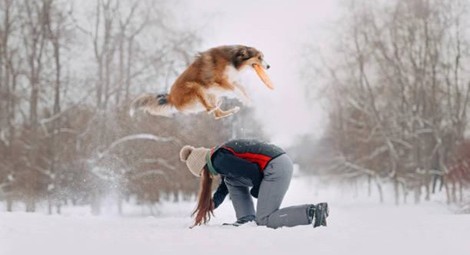
A Fun and Furry Guide This blog post earned Honorable Mention in the Pet Professional Guild’s Pets and Their People Celebrating Life Together community outreach competition in the ‘Pet Professional – Write a Blog Post’ category. Ready to turn your four-legged friend into a frisbee-catching superstar? Training your dog to play frisbee is not only a blast, but it’s also a fantastic way to enhance your bond and keep your pup fit and happy. Here’s your ultimate guide to turning your dog into a frisbee fanatic! 1. Pick the Perfect Frisbee First things… Continued
A Professional Dog Trainer Does So Much More Than Train Dogs
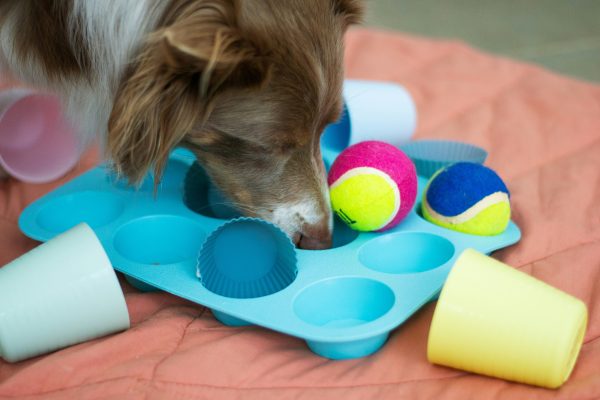
I became a pet care professional in the fall of 1995 when my wife and I became the new owners of Green Acres Kennel Shop. I am fortunate to have entered the profession then because of the many advances in our knowledge of pet behavior, training, and nutrition. Obedience Class Disaster In the Spring of 1991, my wife Paula and I brought home our first puppy as a couple, a cairn terrier we named Gus. We wanted to do everything right, so we immediately enrolled ourselves and twelve-week-old Gus in… Continued

The Off-Leash Adventures of Tina
Recently, I worked with a prior client, a very intelligent college instructor whose previous dog I trained. She adopted a sweet little dog she named Tina, because the adoption date was that of Tina Turner’s death. Tina was destined to live an exciting life. The Chipmunk Kingdom Living in the countryside, the family wanted Tina to enjoy her new surroundings off leash. Her previous one year of life had not been a rural existence, so the farm-like environment was full of stimuli that she had not experienced. The chipmunks who lived in several wood… Continued

Getting the Trot with Positive Reinforcement
Getting their equids to move from a walk to a trot can be frustrating and elusive for many people. Most often, the equid is not offering the trot because the handler is not breaking down the behavior enough or being clear in what they’re asking. Jumping straight from a walk into a trot is a considerable jump in criteria (what you expect from your learner) when you’re in the early stages of training and developing movement. Mark and Reinforce for Clear Communication When you’re working on changing gaits, it isn’t… Continued
Free Treats for Better Behavior
This blog post earned Honorable Mention in the Pet Professional Guild’s Pets and Their People Celebrating Life Together community outreach competition in the Pet Professional Activities- Write a Blog Post category. You know that rewarding behaviors you like gets you more nice behavior, but did you know that consequences aren’t the only way our pets learn? By giving your pet “free” treats – no good behavior required – you can build powerful associations which influence behavior and emotion. If you’re used to consequence-based teaching, the hardest part of using this technique may be… Continued
Positive Reinforcement vs. Punishment: The Best Approach to Cat Training
This blog post is the Runner-up in the Pet Professional Guild’s Pets and Their People Celebrating Life Together community outreach competition in the Pet Professional Activities- Write a Blog Post category. When we think about correcting unwanted cat behavior, the first thing that often comes to mind is the outdated method of using a spray bottle. This approach, though common, is actually an example of positive punishment. In simple terms, positive punishment means adding an unpleasant stimulus—like a spray of water—to discourage a behavior. However, using punishment, in general, is not the answer… Continued
1 2 3 4 Next »

Pets and Their People Blog
Topics
Archives