

What Is a Heart Dog?
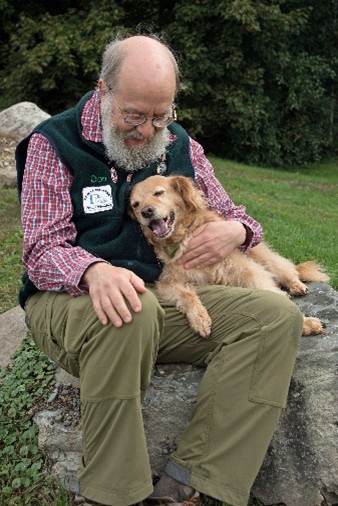
by Don Hanson “Heart Dog” was a term I heard frequently from my friends and colleagues in the pet care professions, often after a dog’s passing. I had an inkling of what the term meant, but there was enough variation in the way people used it that I was unsure. As I cared for my dog Muppy during the last several months of her life, I thought about all the wonderful moments we had shared. I thought “Heart Dog” might be the best way to describe our relationship. So, I… Continued

From Comparison to Curiosity: Transforming Business Envy into Exploration
by Veronica Boutelle In this article, the experts at dogbiz address feelings of self-doubt stirred up by another trainer’s business success. Ask dogbiz Q: Hi dogbiz, There’s another trainer in my area who seems to be doing incredibly well. They’re everywhere. Their social media is awesome, they’re constantly booked out, they’re speaking at conferences, appearing on podcasts, and generally looking like they have their life together. The annoying part is that I actually like them. They’re ethical, kind, and good at what they do. I don’t want them to fail.… Continued

Shaping a Sustainable Pet Industry – Part Two: Laying the Legal Bedrock
by Niki Tudge Consensus, Transparency, and Science-Based Oversight In Part One, we unraveled the complex legislative landscape of today—mapping active state bills, dissecting the systemic flaws of grandfathering and working-dog exemptions, and illustrating why rushing into top-down licensing before establishing a firm foundation threatens to codify the very practices we seek to eliminate. Now, in Part Two, we move to examine reform through the lenses mentioned in Part One: This framework will move our industry toward Lens Four – Formal Legislative Oversight and Licensing. The Pet Service Industry Regulatory Vacuum… Continued

Shaping a Sustainable Pet Industry – Part One: Mapping the Legislative Landscape
by Niki Tudge Evaluating Current Legislation, Systemic Loopholes, and the Risks of Premature Oversight The pet industry landscape for legislation and tool use is very complicated, with many differing opinions on the approach needed to help shape the industry’s future around science, kindness, and oversight. When we set out to write our first book, Pet Training and Behavior Consulting: A Model for Raising the Bar to Protect Professionals, Pets, and Their People, several years ago, it began as a simple position statement on dog training oversight. But as we dug… Continued
Moving with Multiple Cats: A Case Study
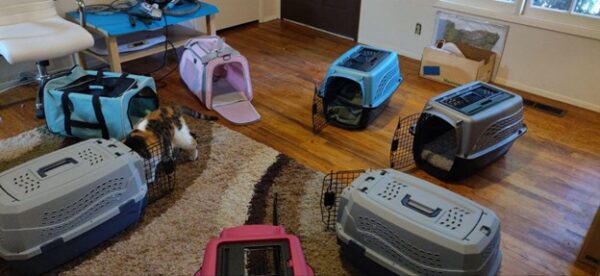
by Misty Hampton Last year, after living in the same house for 13 years, we decided to move across town. I hoped this move would give us a fresh start as well as an opportunity to help our cats get along better. I want to share our story here, so that others who are planning to move can learn from our experiences. (We only moved a short distance, so I will not address long road trips, hotel stays, or air travel in this article.) Planning – Mapping Out Safe Rooms… Continued
Nothing Shocking About Being Kind to Animals!
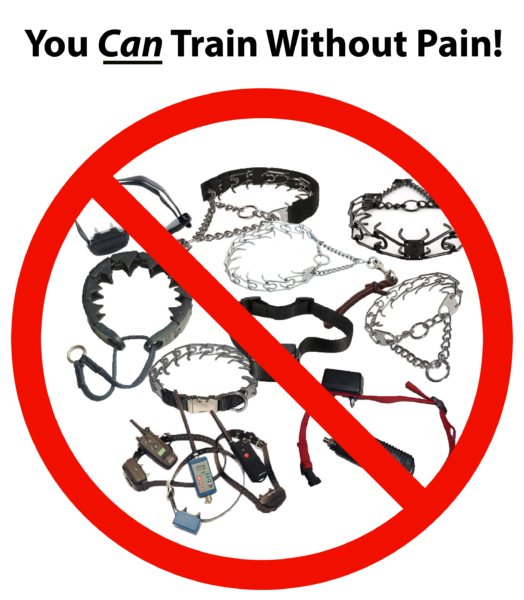
by Niki Tudge When critics argue against the use of electronic shock collars, proponents often claim the tools are perfectly benign if used “correctly,” yet there is actually nothing surprising about the severe risks they pose. In fact, a collective look across the internet at the manufacturers’ own instruction manuals, safety disclosures, and legal guidelines reveals a laundry list of warnings that openly acknowledge the inherent dangers of these devices. Far from being harmless, the consumer guides and behavioral literature consistently highlight that putting a shock collar on a pet… Continued
Keep Calm and Kitty On: Relaxation and Resilience Strategies for Cats
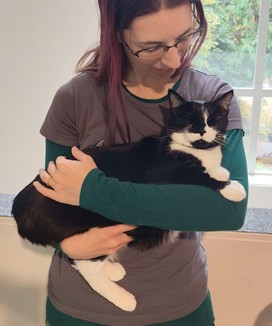
by Misty Hampton The purpose of this article is to identify techniques and tools that can be used to help cats navigate stressful situations, and to develop the resilience to cope with stressors on their own, when you aren’t there to help them. With cats, it’s considered by some “normal” for them to hide under the bed all day when there are visitors in the house but, undoubtedly, that cat is experiencing stress. And, it’s well known that chronic stress negatively impacts health and longevity. The best way we can protect… Continued

The Pet Dog Ambassador Program: Show Your Clients the Value of Force-Free Dog Training in Everyday Living
by Niki Tudge For trainers and pet professionals, the Pet Dog Ambassador (PDA) program is more than just a curriculum—it’s a way to provide long-term value to your clients while upholding the highest ethical standards. The Professional’s Perspective: A Business-in-a-Box Are you dedicated to training the “real-life” skills that make a dog a joy to live with – walking on a loose leash, greeting people politely, and staying focused amidst life’s distractions? As a professional trainer, you can register for the PDA program and become an Instructor. If you are… Continued
The Language of Dog Training: It’s Not Just Semantics
by Louise Stapleton-Frappell Originally published in BARKS from the Guild (Stapleton-Frappell, 2015). Updated and expanded for 2026 with current perspectives from DogNostics Education. Why Do Semantics Matter? The language we use shapes ethics, learning, and relationships in modern force-free training. According to the Britannica Dictionary, semantics is “the study of the meanings of words and phrases in language, and how those meanings shift depending on context.” In dog training, semantics matter because the words we choose don’t just describe what we do; they reveal how we think about and relate… Continued

Help Get the Whole Household on Board with Your Training Plan
by Veronica Boutelle In this article, the experts at dogbiz share tips for working with a committed client who’s training is being undermined by a skeptical partner. Ask dogbiz Q: Hi dogbiz, I’m working with a really great client who is totally committed to training her dog. The problem is that her partner is not on board at all. He ignores the training plan, uses completely different methods, and sometimes jokes that the dog “needs a firmer hand.” My client is frustrated and says she feels like she’s doing all… Continued

A Kinder World for Pets and People: The Building Blocks of Meaningful Change
by Tasha Attwood A recent Pet Professional Guild Advocacy Panel discussion centered on a simple but powerful question: how can guardians and professionals work together to create a kinder world for pets? For this event, moderator Don Hanson was joined by panelists Rebekah King, Kim Silver, Jennifer Van Valkenburg, and myself. It was a very powerful and emotive discussion, with a message of kindness for everyone, and I’ve summarized some of the highlights for pet professionals here. Well-being Begins with Understanding Kim Silver opened the discussion by reflecting on welfare… Continued
Nonnegotiable Indoor and Outdoor Pet Care Standards for Pet Sitters
by the Pet Professional Guild (PPG) Pet Care Division This resource is a product of the Pet Professional Guild Pet Care Division Team: Kat Frizzell (Chair), CPPS, FFCP, PFACCI, PLBS; Kristi Jones, CPDT-KA, CBCC-KA, CET; and Roxanne Dockter, MSc., CPPS, FFCP, CFVA, PFACCI This checklist outlines a clear set of nonnegotiable standards that all professional pet sitter members of PPG should adhere to when providing services such as boarding, pet sitting, and overnight care. Indoor & Outdoor Pet Care Standards for Pet Sitters Download the Guide Here: About the Pet Professional Guild Pet Care… Continued

Just in Case: Encouraging Preventative Muzzle Training
by Annie Dowell-Caffrey Muzzle training is often misunderstood. For many guardians, the first time they think about a muzzle is when they are already facing a challenging situation, such as a stressful veterinary visit, an unexpected injury, or a behavioral concern that has escalated. Cooperative Care The Just in Case campaign from The Muzzle Movement aims to shift that conversation by encouraging dog guardians to view muzzle training as a normal, preventative life skill rather than something introduced only in moments of crisis. For trainers and behavior professionals, this idea may already feel familiar.… Continued
Creating a Kinder World for Pets: What Professionals Can Do
by Tasha Attwood In the recent Pet Professional Guild (PPG) Advocacy Panel discussion, moderator Don Hanson brought together Dayle Pearce, Rebekah King, and myself to explore a deceptively simple question: How can pet professionals help create a kinder world for pets? It’s a big question. And the answers, as it turns out, are both practical and deeply human. Are We Expecting Too Much? The conversation opened with a reflection on a wider cultural shift. Since COVID especially, expectations placed on dogs seem higher than ever. A recent article by Professor… Continued

The Weight of Words: How Labels Impact Cat Welfare
by Mary Stevens We are all guilty of describing a cat as “spicy” or “just plain mean,” but what we often don’t realize is how these negative labels shape not only how we view the cat, but also how others perceive them. When we use this kind of language, we project our own emotions and assumptions onto the listener rather than describing what we are actually observing or taking the time to explore why the cat may be behaving this way. Labels in Welfare Settings: Why Words Matter In animal… Continued

Redefining Business Growth and Success
In this article, the experts at dogbiz share tips on expanding your dog training business without expanding your stress. Ask dogbiz Q: Hi dogbiz, My business is doing well. I’m booked weeks in advance, earning a steady income, and I’ve got awesome clients. But lately I’ve started wondering if I should be doing more. Everywhere I look, people seem to be hiring staff, running online courses, or launching new things. I don’t actually want any of that, but I can’t shake the feeling that staying small might mean I’m lacking… Continued
Pet Care Service Non-Negotiables: A Guide for Pet Care Professionals and Their Clients
by the PPG Pet Care Division This resource is a product of the Pet Professional Guild Pet Care Division Team: Kat Frizzell, CPPS, FFCP, PFACCI, PLBS; Kristi Jones, CPDT-KA, CBCC-KA, CET; and Roxanne Dockter, MSc., CPPS, FFCP, CFVA, PFACCI This guide outlines a clear set of non-negotiable standards that all professional pet care members of the Pet Professional Guild should adhere to when providing services such as boarding, pet sitting, daycare, overnight care, pet taxi and dog walking. Overview: The non-negotiables sections are divided into Service Standards and Pet Care Standards. Section One:… Continued

Book Review: How Dogs Love Us by Gregory Berns
by Daniel H. Antolec I recently read a fascinating book written by neuroscientist, Dr. Gregory Berns, who headed the two-year Dog Project, using fMRI scanning technology to investigate the brains of dogs who were specially trained to participate in the project. Callie was his family dog, and the book not only explored the scientific method of this unique experiment, but also the personal relationship development between Berns and his dog. The book, How Dogs Love Us: A Neuroscientist and His Adopted Dog Decode the Canine Brain, is clearly written, with… Continued

From Hourly to High-Value: A Strategic Guide to Pricing and Packaging Your Pet Training Services
by Niki Tudge Many pet trainers fall into a common trap: they view themselves as laborers selling their time by the hour. But when you trade time for money, you cap your income and risk burnout. To build a sustainable, profitable business, you must shift your mindset from selling “hours” to selling “results.” This guide covers how to restructure your pricing, protect your income with solid policies, and market your services to attract the right clients. The Psychology of Price: Pricing IS Marketing Before you open a spreadsheet, you must… Continued

Bridging Training and Treatment: A Behaviorist’s Advice on Using Medications to Support Shelter Animals
By Kim Monteith This article is based on an interview by the author with Dr. Karen van Haaften, a board-certified veterinary behaviorist with a focus on shelter behavioral medicine. We ask animals to learn, adjust, and adapt in highly stressful environments. While behavioral interventions play a critical role in supporting animals with these changes, on their own they are not always enough for some animals. In many cases, bridging training and treatment can be the key. This is especially true when it comes to anxiety-reducing medications. In a recent interview, Dr.… Continued

Pet Industry Marketing—Create Products and Services Clients Desire
By Niki Tudge Needs, wants, and desires are separate concepts that influence human behavior. Needs are essential for survival, wants enhance the quality of life but are not vital, and desires are intense, often emotionally driven longings. In marketing, desire is a powerful motivator that drives people to purchase a product or service. It’s the human appetite for a specific item or experience, often stimulated by advertising, that creates a sense of wanting. Unlike a basic “need” for survival, desire is more aspirational and connected to a person’s emotions, values,… Continued

Embracing Variety in Your Dog Training Business
In this article, the experts at dogbiz share tips for dog trainers who may be struggling with whether to niche down or be a generalist. Ask dogbiz Q: Hi dogbiz, I’ve been hearing a lot about the importance of having a niche in dog training. Everyone says it’s the key to success, but the truth is, I love variety. I enjoy working on a wide range of things: puppy basics, basic manners, behavior modification, scent work, agility—you name it. I also enjoy working with all kinds of dogs and… Continued
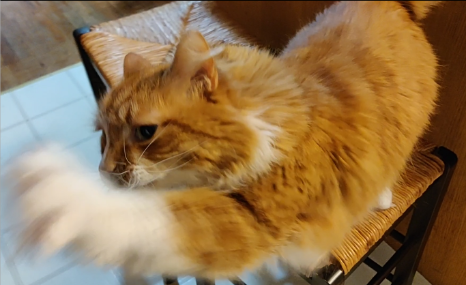
Overstimulation in Cats
by Misty Hampton The term “overstimulation” is sometimes used among cat professionals. Like any label, it has the potential to be useful in certain contexts. Applied too broadly, it limits understanding. In this article, the author discusses how the term “overstimulation” is applied to cats and proposes a working definition of the term to promote better understanding of cats’ behavior and needs. Overstimulation can be prevented. When we recognize the signs of overstimulation, strategic interventions can lead to better interactions and improved outcomes, for both people and cats. Starting Point I was inspired to… Continued

What’s Wrong With No Kill?
by Pat Miller Those who know me know that I abhor the entire deceptive, unethical, abusive “no-kill” movement. When I first spoke out against no kill at conferences 20-plus years ago, I was greeted by a roomful of puzzled looks and verbal resistance. Today, I get wild applause. Our industry has come to understand how damaging the so-called no-kill movement actually is. Imagine a world where no dog is euthanized for homelessness: more homes than dogs; waiting lists at dog adoption sources; potential adopters anxiously awaiting the next available canine.… Continued
1 2 3 … 60 Next »

Barks
Topics
Archives